



A warm outlet, a breaker that keeps tripping, or lights that flicker when the AC starts are not small annoyances to ignore. They can be early warnings that wiring, connections, or circuits are under too much stress. These electrical fire prevention tips help homeowners and property managers spot problems early and make practical decisions about when it is time to call a licensed electrician.
1. Do Not Ignore Hot, Discolored, or Loose Outlets
An outlet or switch cover should not feel warm during ordinary use. Heat can point to a loose connection, a damaged device, or a circuit carrying more load than it should. Brown marks, melted plastic, a buzzing sound, or a burning odor require immediate attention.
Stop using the outlet and turn off the circuit at the panel if you can do so safely. Do not try to solve the problem by installing a new cover plate or plugging into a different opening on the same damaged device. An electrician should identify and repair the source of the heat.
2. Give Power Strips the Jobs They Are Made For
Power strips are useful for low-demand electronics such as computers, phone chargers, monitors, and lamps. They are not a permanent answer for appliances that create heat or draw heavy power, including space heaters, microwaves, refrigerators, window AC units, and hair tools.
Never plug one power strip into another. This practice, often called daisy chaining, can overload the strip or extension cord before the circuit breaker has a chance to protect the wiring. If an area routinely needs more outlets, adding properly wired outlets is safer than relying on a web of cords.
3. Use Extension Cords Temporarily
Extension cords are designed for temporary use, not as a replacement for permanent wiring. A cord run under a rug, through a doorway, or across a walkway can overheat, become crushed, or suffer damage that is hard to see.
Choose a cord rated for the equipment you are using and inspect it before use. Replace cords with cracked insulation, loose plugs, bent prongs, or exposed wire. Outdoors, use cords marked for outdoor use and keep their connections protected from water.
4. Respect Repeated Breaker Trips
A circuit breaker trips to stop excessive current from overheating the wiring. Resetting it once after a clear, temporary cause may be reasonable. Resetting it again and again is not a repair.
If a breaker trips repeatedly, turn it off and note what was running at the time. The cause may be an overloaded circuit, a failing appliance, a short circuit, damaged wiring, or a panel issue. Do not replace a breaker with a larger one simply to make the trips stop. The wire size and circuit design determine the correct breaker size, and oversizing it can create a serious fire risk.
5. Keep High-Heat Appliances on Suitable Circuits
Kitchen appliances, laundry equipment, bathroom devices, portable heaters, and garage tools can draw substantial power. In older homes especially, several rooms may share circuits that no longer fit how the space is used.
A dedicated circuit is often the right solution for equipment with a high or continuous electrical demand. This matters when adding a garage refrigerator, a new disposal, a hot tub, an EV charger, or additional commercial equipment. The correct setup depends on the appliance specifications, available panel capacity, and local code requirements.
6. Take Flickering Lights Seriously When They Are New
One bulb that flickers may be loose or nearing the end of its life. Multiple lights dimming or flickering, especially when large equipment starts, can indicate a loose connection, overloaded circuit, or service issue.
Pay attention to the pattern. If lights flicker in one room, the issue may be local to that circuit. If the problem affects different parts of the property, the cause may be in the panel, service equipment, or utility connection. An electrician can test the system and narrow down the problem without guesswork.
7. Keep Electrical Panels Accessible and Dry
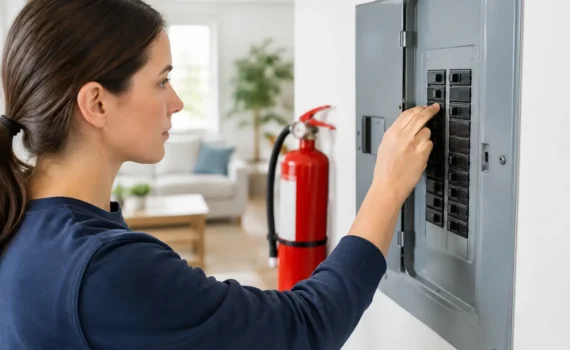
Your electrical panel needs a clear path so a breaker can be shut off quickly in an emergency. Avoid stacking storage boxes, paint cans, or cleaning supplies in front of it. Keep the area dry, well lit, and free from combustible clutter.
A panel should also have a securely closed cover. Open knockouts, missing covers, rust, moisture, or visible corrosion deserve professional inspection. These conditions can expose live components or compromise connections inside the panel.
8. Upgrade Damaged or Outdated Wiring Promptly
Frayed insulation, exposed conductors, aluminum wiring concerns, deteriorated cloth-covered wire, and ungrounded outlets are not do-it-yourself details. Older electrical systems can remain serviceable when maintained correctly, but they may need upgrades when a home adds modern loads.
Renovations are an especially smart time to evaluate wiring. Opening walls for a kitchen remodel, new lighting, or an addition can make it easier to replace damaged wiring, add grounding, install needed outlets, and bring circuits up to current safety expectations.
9. Use the Right Bulbs and Fixtures
Light fixtures have wattage limits for a reason. Installing a bulb that exceeds the fixture rating can create excess heat around sockets, insulation, and trim. Use the fixture label as the guide, even if a higher-watt bulb physically fits.
LED bulbs usually run cooler and use less energy than older incandescent options, but compatibility still matters. Use bulbs rated for enclosed fixtures, dimmers, or damp locations when required. If a fixture hums, smells hot, or shuts off unexpectedly, have it checked rather than continuing to use it.
10. Install and Maintain Smoke Alarms
Smoke alarms do not prevent an electrical problem, but they give occupants valuable time to get out if a fire begins. Install alarms in the locations recommended for your property, test them regularly, and replace batteries as needed. Follow the manufacturer’s replacement schedule for the alarm itself, too.
For larger homes, rentals, and commercial spaces, interconnected alarms can provide stronger warning because activation in one area alerts people throughout the building. A licensed electrician can install hardwired smoke detectors and help ensure the devices are properly powered and located.
11. Protect Sensitive Equipment From Surges
Surges can come from lightning, utility disturbances, or equipment switching on and off inside the property. Small plug-in protectors have a role, but they only protect items plugged into them and wear out over time.
Whole-home surge protection installed at the electrical panel adds another layer of defense for appliances, electronics, HVAC controls, and other connected equipment. It is not a substitute for correcting damaged wiring or overloaded circuits, but it is a practical upgrade for many Houston-area properties where storms and power interruptions are part of the year.
12. Leave Panel Work and Electrical Repairs to a Licensed Electrician
Replacing outlets, troubleshooting breaker issues, adding circuits, and working inside a panel may look straightforward in a short video. In real homes and commercial buildings, the work can involve hidden damage, incorrect previous repairs, load calculations, grounding requirements, and energized components.
Calling for help early is usually less disruptive than waiting for a failure. It also gives you a chance to address the actual cause instead of repeatedly replacing bulbs, resetting breakers, or moving cords around to work around the problem.
When to Call Right Away
Call a licensed electrician promptly if you smell burning plastic, see smoke or sparks, feel heat at an outlet or panel, hear persistent buzzing, or have a breaker that will not stay on. If there is active smoke or fire, get everyone out, call 911, and do not re-enter the property.
For non-emergency concerns, a professional inspection can provide clear answers before a small issue becomes a costly repair. Beekman Electric provides free estimates for homeowners and businesses in Katy and surrounding West Houston communities that need dependable electrical repairs, panel work, lighting service, surge protection, and safety upgrades.
A safer electrical system is built through routine attention: use cords correctly, respect breaker trips, keep heat-producing devices on suitable circuits, and act quickly when something feels or smells wrong.