




A parking lot with dark corners, a warehouse with uneven light, or an office full of flickering fluorescent fixtures can become a daily business problem fast. The right commercial LED retrofit contractor helps you replace outdated lighting with a dependable system that improves visibility, reduces maintenance headaches, and supports the way your property operates.
For business owners and facility managers, an LED retrofit is not simply a fixture swap. The work may involve existing wiring, controls, circuit capacity, mounting conditions, emergency lighting, exterior poles, and the practical need to keep employees, tenants, or customers moving safely through the property. A qualified electrical contractor should make those details clear before work begins.
What a Commercial LED Retrofit Actually Involves
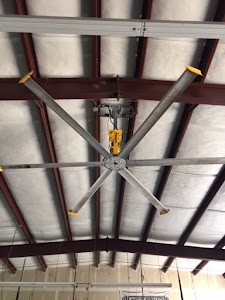
A commercial LED retrofit updates an existing lighting system with LED fixtures or LED components designed for the space. In some buildings, that means replacing fluorescent troffers in offices, retail areas, classrooms, or corridors. In others, it means upgrading high-bay fixtures in a warehouse, shop, or distribution space.
Exterior work can include parking lot poles, wall packs, canopy lights, security lighting, loading areas, and building-mounted fixtures. These areas need more than bright light. They need consistent coverage that helps people see walkways, vehicles, entrances, signage, and potential hazards after dark.
The best approach depends on the property. A small retail suite may need a straightforward fixture replacement, while a larger facility may need a lighting layout, multiple circuits, occupancy sensors, photocells, timers, or controls that work around operating hours. An experienced electrician looks at the whole system rather than treating every fixture as an isolated problem.
Why Businesses Replace Older Lighting
Many commercial properties still rely on fluorescent, metal halide, high-pressure sodium, or aging LED fixtures that are no longer performing well. Older lights can take time to reach full brightness, produce inconsistent color, buzz, flicker, or fail more often than expected.
LED lighting can reduce energy use, but cost savings are only part of the reason to upgrade. Better light quality can improve safety in parking areas, reduce shadows around workstations, and make products or interiors look cleaner and more inviting. For warehouses and service operations, clear lighting can also help employees complete detailed tasks with fewer visibility issues.
Maintenance matters, too. Replacing lamps, ballasts, and failing fixtures across a large property takes staff time and can interrupt normal operations. Long-lasting commercial-grade LED fixtures may lower the frequency of those service calls, although fixture quality, heat, operating hours, and installation conditions all affect real-world lifespan.
What to Expect From a Commercial LED Retrofit Contractor
A dependable commercial LED retrofit contractor begins with a site review. This is where the contractor identifies existing fixture types, mounting heights, lighting conditions, electrical access, controls, and any apparent repair needs. A good review should also consider how the space is used. A warehouse aisle, medical office, restaurant kitchen, and apartment parking lot do not need the same lighting solution.
The contractor should then explain the recommended scope in plain language. You should understand which fixtures will be replaced, whether existing wiring or controls need attention, where new fixtures will be installed, and how the work will affect your business hours. If a project involves a parking lot or exterior lighting, ask how the contractor will handle access equipment, traffic flow, and work performed after hours if necessary.
Clear pricing is equally important. The estimate should distinguish between the lighting equipment, labor, electrical repairs, controls, permits when required, and any items that could change the project cost. Sometimes a retrofit reveals damaged wiring, corroded connections, failing poles, or an overloaded circuit that was not visible during the initial walkthrough. Those conditions do not automatically mean the project was poorly planned, but they should be documented and discussed before additional work is completed.
Choosing Fixtures for the Space, Not Just the Price
The least expensive fixture is not always the best value. A low-cost light may look acceptable on paper but provide poor coverage, uncomfortable glare, weak color quality, or limited longevity in a hot outdoor setting. Replacing failed fixtures prematurely can erase the savings of a cheaper initial purchase.
For interior spaces, consider the fixture’s light output, color temperature, glare control, and how evenly it lights the area. Cooler white light can work well in task-focused spaces, while a warmer appearance may be a better fit for hospitality, waiting rooms, or certain retail environments. There is no one color temperature that is right for every business.
For exterior lighting, light distribution is especially important. A fixture that is too bright in one spot can still leave walkways or parking spaces too dark elsewhere. Properly selected pole lights, wall packs, and floodlights should create useful visibility without shining excessively into neighboring properties or windows.
Controls can add value when they match the building’s needs. Occupancy sensors may make sense in restrooms, storage rooms, and infrequently used spaces. Photocells and timers can help exterior lights operate consistently. However, controls should be selected and programmed carefully. A sensor that turns lights off too quickly or leaves an active area dark is not a successful upgrade.
Plan the Work Around Your Operations
Commercial electrical work should not create avoidable disruption. Before installation starts, establish which areas need to remain open, where technicians can stage equipment, and whether work should happen in phases. Retail stores may prefer work before opening or after closing. Offices may schedule ceiling work during lower-occupancy periods. Warehouses may need fixture replacements coordinated around lifts, inventory, or production activity.
A professional crew protects the work area, communicates about temporary access restrictions, and cleans up when the job is done. If power needs to be shut off, the contractor should identify affected equipment and give you a realistic timeframe. In some cases, a brief outage is necessary for safe electrical work. In others, circuits can be isolated so most of the property remains operational.
This is also the time to address related electrical concerns. If a breaker trips when exterior lights come on, if a panel is aging, or if parking lot lights fail intermittently, those issues should be evaluated as part of the project. Installing new LED fixtures on an unreliable circuit will not solve the underlying electrical problem.
Questions Worth Asking Before You Hire
Ask whether the contractor is licensed, insured, and experienced with commercial electrical systems similar to yours. Request a clear scope of work and ask how changes will be handled if unexpected conditions are found. You should also ask who will perform the installation, how long the project is expected to take, and whether the team will test fixtures and controls before leaving.
It is reasonable to ask about fixture warranties, but do not stop there. Find out who will help if a fixture, driver, sensor, or photocell fails after installation. Warranty coverage can vary, and the cost of diagnosing or replacing a failed component is not always the same as the cost of the part itself.
Local experience can make a difference, particularly for exterior lighting exposed to Texas heat, heavy rain, and changing site conditions. A contractor familiar with commercial properties in Katy and the greater Houston area can help identify practical installation concerns before they turn into delays.
Do Not Treat Lighting as an Afterthought
Good commercial lighting supports safety, security, productivity, and the impression your property makes after dark. It also needs to be installed correctly, supplied by reliable electrical circuits, and matched to the actual demands of the space.
Beekman Electric provides commercial LED retrofit, repair, panel, circuit, and parking lot lighting services for local businesses and property managers. If your lighting is failing, uneven, outdated, or costly to maintain, request a free estimate and start with a clear assessment of what your property needs.