



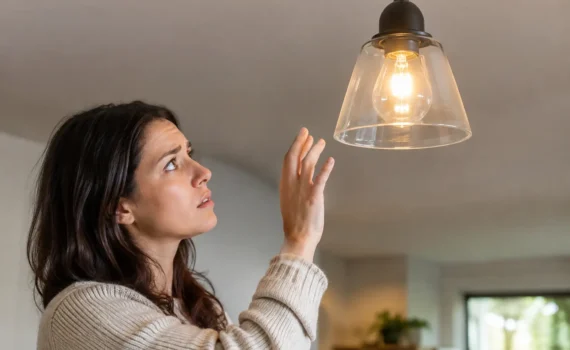
A light that flickers once when the air conditioner starts may be an annoyance. A light that repeatedly dims, flashes, or cuts out can be a warning that deserves attention. If you are asking, why are lights flickering, the answer can range from a loose bulb to an overloaded circuit, failing fixture, or electrical connection that needs prompt professional repair.
The pattern matters. Does one bulb flicker, or do lights throughout the building flicker at the same time? Does it happen only when a large appliance runs? Are outlets warm, switches buzzing, or breakers tripping? Those details help narrow down the cause and determine whether you can start with a simple check or need a licensed electrician.
Why Are Lights Flickering in One Room?
When the problem is limited to one lamp, fixture, or room, the cause is often local to that light or circuit. That does not always make it harmless, but it gives you a useful starting point.
A loose bulb or poor bulb connection
A bulb that is not fully seated in its socket can flicker as vibration, temperature changes, or normal movement interrupts the connection. Turn the switch off first, let a hot bulb cool, and carefully check that the bulb is properly installed. If the bulb still flickers, try a known working bulb that matches the fixture’s wattage rating.
Corrosion or wear inside an older socket can also create an inconsistent connection. Do not reach into a socket or attempt to bend its metal contact. A damaged socket or fixture is a repair for an electrician, especially if you notice discoloration, sparking, or a burning smell.
An incompatible LED bulb and dimmer
Many homeowners replace older bulbs with energy-saving LED bulbs, then notice a flicker that was not there before. The issue may be compatibility. Some older dimmer switches were designed for incandescent bulbs and do not regulate low-wattage LEDs properly.
The fix may be as simple as using dimmable LED bulbs designed for your dimmer. In other situations, the switch itself needs to be replaced with an LED-compatible dimmer. It depends on the fixture, bulb type, and existing controls. A qualified electrician can identify the right combination instead of leaving you to test multiple products.
A failing switch, fixture, or wiring connection
If a light flickers when you touch the switch, move a lamp cord, open a door, or use a nearby outlet, a loose connection may be involved. Switches and fixtures wear out, and wire connections can loosen over time. In a ceiling fan light kit, vibration can speed up that process.
A loose electrical connection can generate heat and arcing. Stop using the affected fixture if the switch feels warm, makes a buzzing sound, has visible damage, or produces a burning odor. This is not a situation for repeated troubleshooting at the switch or fixture box.
Why Do Lights Flicker When Appliances Turn On?
Brief dimming when a high-demand motor starts can occur because the appliance draws a larger amount of power at startup. In Houston-area homes, air conditioners, heat pumps, pool equipment, refrigerators, and garage-door openers can all create a noticeable momentary dip.
A small, occasional change may not indicate an emergency. However, lights should not dramatically dim every time the HVAC system cycles, and they should not continue flickering while equipment runs. Persistent flickering can point to an overloaded circuit, undersized or aging wiring, a weak breaker, or an issue at the electrical panel.
Older homes are more likely to have circuits that were never intended to serve modern electrical demand. Adding a home office, larger television, electric vehicle charger, outdoor kitchen, or additional HVAC equipment changes the load on the electrical system. A panel and circuit evaluation can determine whether the existing equipment is still appropriate for the property.
Avoid the temptation to solve recurring flicker by simply installing a larger breaker. Breakers are sized to protect the wiring. Installing the wrong breaker can allow conductors to overheat before the breaker trips, creating a serious fire risk.
When Flickering Lights Affect the Whole House
Lights flickering in several rooms, particularly on different circuits, deserve faster attention. The issue may be inside the panel, at the main service connection, or with the utility supply. A loose neutral connection is one possible cause, and it can create unstable voltage throughout a property.
Watch for lights that become unusually bright in one area while dimming in another. That can be more concerning than a simple dimming event because voltage imbalance can damage electronics, appliances, and LED drivers. Unplug sensitive equipment if it is safe to do so, and arrange an electrical inspection promptly.
If your neighbors are experiencing the same issue, a utility-side problem may be involved. You can report the outage or voltage concern to the utility provider. But if the issue appears limited to your home or building, a licensed electrician should inspect the service equipment, panel, breakers, and connections.
Warning Signs That Call for Immediate Action
Flickering is sometimes the first visible clue of an electrical issue. Turn off the affected circuit if you can do so safely and call for help promptly when flickering comes with any of the following:
- A burning, fishy, or melting-plastic smell near a panel, outlet, switch, or fixture
- Smoke, sparks, scorch marks, buzzing, popping, or crackling sounds
- A hot outlet cover, warm switch plate, or fixture that is hotter than normal
- Frequent breaker trips, outlets that stop working, or shocks or tingling from electrical equipment
- Flickering across the property, especially lights that suddenly get much brighter or dimmer
Do not ignore these symptoms, reset a repeatedly tripping breaker, or open an electrical panel to investigate. Electrical problems can worsen without much warning, and the source is not always visible from the room where you notice the flicker.
A Safe Way to Narrow Down the Problem
You do not need to diagnose the wiring yourself to provide useful information to an electrician. Start by observing the behavior. Note which lights flicker, how often it happens, and whether the issue begins when a particular appliance or piece of equipment starts.
Next, check simple items only after turning the relevant switch off. Confirm that the bulb is installed correctly and that it is the proper type for the fixture and dimmer. If changing the bulb resolves the issue, continue to monitor the fixture. If the flicker returns, the fixture or wiring may still need attention.
For commercial properties, document whether flickering affects interior lighting, exterior wall packs, parking lot lighting, emergency lighting, or a particular tenant area. LED retrofit systems, photocells, timers, drivers, and controls can each cause different symptoms. Quick, accurate details help minimize downtime and avoid replacing components that are not actually at fault.
Get the Right Repair Instead of Guessing
Lighting should be steady, comfortable, and dependable. Whether the cause is a worn switch, a loose fixture connection, a dimmer mismatch, an overloaded circuit, or a panel issue, the right repair begins with identifying where the problem starts.
Beekman Electric provides clear electrical troubleshooting for homeowners and businesses across Katy and West Houston, with free estimates and experienced technicians for lighting repairs, circuit concerns, panel work, LED upgrades, and more. If flickering keeps returning or comes with any warning sign, book service today and let a professional find the cause before a small electrical problem becomes a larger repair.