



A single power surge can do more than ruin a phone charger. It can shorten the life of your refrigerator, damage a smart TV, take out a garage door opener, or affect the electronics built into newer HVAC equipment. The best home surge protection options use more than one layer of defense, starting at the electrical panel and extending to the devices that need added protection.
For Katy and Houston-area homeowners, surge protection is especially worth considering. Summer storms, lightning, utility switching, brief outages, and large equipment cycling on and off can all create voltage spikes. You may not see an immediate failure after every event, but repeated smaller surges can gradually wear down sensitive electronics.
What Causes Power Surges at Home?
Many people associate a power surge only with a lightning strike. Lightning can certainly create a powerful surge, but it is not the most common source of electrical stress inside a home.
Smaller surges can happen when power returns after an outage, when the utility changes its electrical supply, or when a major appliance starts or stops. Air conditioners, pool equipment, refrigerators, and electric motors can all create electrical fluctuations. In a home with more connected devices than ever, those fluctuations have more equipment to affect.
A surge protector does not prevent every electrical problem. It will not fix loose wiring, an overloaded circuit, or a failing breaker. Its job is to direct excess voltage safely away from the electrical system and connected equipment before that voltage causes damage.
Best Home Surge Protection Options: Start at the Panel
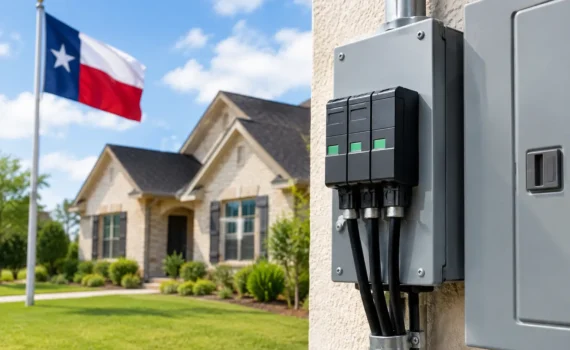
For most homeowners, a whole-home surge protective device installed at the main electrical panel is the most effective foundation. This device protects the electrical system at the point where utility power enters the home.
A panel-mounted surge protector is installed by a licensed electrician and is designed to help protect hardwired equipment as well as devices plugged into outlets. That can include your HVAC system, dishwasher, oven controls, garage door opener, smoke detectors, and permanently installed smart-home equipment. Unlike a power strip, it protects circuits throughout the house.
Whole-home surge protection is particularly practical when you have expensive appliances, a newer electrical panel, a generator inlet setup, solar equipment, an EV charger, or modern HVAC controls. Those systems contain electronics that can be costly to repair or replace.
Type 1 and Type 2 Surge Protectors
Homeowners may hear electricians refer to Type 1 or Type 2 surge protective devices. Both are commonly used for residential whole-home protection, but their installation location differs.
A Type 1 device is generally installed on the utility side of the main service disconnect or at the service equipment. A Type 2 device is typically installed on the load side of the main service panel. The right choice depends on your electrical service, panel configuration, local code requirements, and the manufacturer instructions for the device.
This is not usually a do-it-yourself project. Work inside an electrical panel carries shock and fire risks, and the surge protector must be properly sized, connected, and grounded to work as intended. A licensed electrician can inspect the panel, explain the options, and provide a clear estimate before work begins.
Why Grounding Matters
Surge protection depends on a properly functioning grounding system. If the home’s grounding and bonding are incomplete, damaged, or outdated, a surge protective device cannot perform at its best.
That is why panel installation should include a review of the electrical service. Older homes may need a grounding correction or panel-related repair before surge protection is added. The goal is not just to install a device, but to make sure the device has a safe path to redirect excess voltage.
Use Point-of-Use Protection for Sensitive Electronics
A whole-home device is the first line of defense, not the only one. Plug-in surge protectors are still useful for electronics that are especially sensitive or expensive to replace.
Use quality point-of-use surge protectors for television and entertainment equipment, desktop computers, gaming systems, networking equipment, and home office setups. A good protector can help reduce the exposure those devices receive from smaller spikes that make it through the home’s electrical system.
Not every power strip is a surge protector. Some strips simply add outlets and provide no surge suppression at all. Look for a product specifically labeled as a surge protective device and follow the manufacturer’s replacement guidance. Many plug-in protectors use indicator lights to show whether protection is active. If the protection light is off, the strip may still provide power but no longer provide surge protection.
Avoid daisy-chaining power strips or extension cords. It creates an overheating and fire hazard, especially around entertainment centers and home offices where equipment can add up quickly.
Protect Equipment That Does Not Plug Into a Power Strip
Some of the most valuable equipment in your home is hardwired or located far from a convenient outlet. That is where whole-home protection makes the biggest difference.
Consider the equipment that runs every day: air conditioning systems, furnaces, pool pumps, well pumps, kitchen appliances, security cameras, and garage door openers. A panel-mounted device can help protect these systems, while a qualified HVAC or equipment technician may recommend additional equipment-specific protection in certain cases.
For example, outdoor HVAC equipment can be exposed to electrical events from utility disruptions and storms. A dedicated surge protector at the disconnect may be worthwhile when recommended for the system. It should be installed correctly and coordinated with whole-home protection rather than treated as a replacement for it.
EV chargers also deserve attention. A professionally installed charger should be on a properly sized dedicated circuit, and whole-home protection can help safeguard the electrical system serving it. The charger manufacturer’s instructions and local code requirements should guide any additional protection decisions.
How to Choose the Right Whole-Home Device
The best device is not always the one with the biggest number on the package. Your electrician should evaluate the electrical panel, available breaker space, service capacity, grounding, and the equipment you want to protect.
When comparing devices, look at the surge current rating, voltage protection rating, status indicators, warranty terms, and compatibility with your panel. Higher surge capacity can be useful in areas that experience frequent electrical events, but proper installation matters just as much. A poorly installed device or one connected with unnecessarily long wiring may not respond as effectively as intended.
It is also smart to choose a device with a clear visual status indicator. Surge protective devices can sacrifice themselves during a major event. If the device shows that protection has ended, it needs to be replaced even if the home still has power.
What Surge Protection Cannot Do
Surge protection is valuable, but it is not a guarantee that every electronic device will survive every lightning strike or utility event. A direct lightning strike, severe damage to utility equipment, or wiring problems inside the home can exceed the capacity of a protective device.
It also does not replace working smoke detectors, GFCI protection in required areas, arc-fault protection, proper breaker sizing, or routine electrical repairs. If lights flicker, breakers trip repeatedly, outlets feel warm, or you notice a burning smell, shut off power if it is safe to do so and call an electrician. Those are warning signs that require diagnosis, not just a new surge protector.
During a severe storm, unplugging valuable electronics can provide another layer of protection if it can be done safely and without disrupting essential equipment. Do not handle cords or electrical equipment if there is water intrusion, active lightning nearby, or damage to the electrical system.
When to Schedule an Electrical Inspection
A surge protection upgrade is a good time to have the panel and service equipment checked, especially if your home is older, you have recently added high-demand equipment, or you have experienced outages and storm-related electrical issues.
Beekman Electric can assess your panel, grounding, and protection options and provide a free estimate for properly installed whole-home surge protection. For homeowners in Katy and the surrounding West Houston communities, it is a practical upgrade that can help protect the equipment your household relies on every day.
The right approach is usually simple: protect the panel first, add quality point-of-use protection where it makes sense, and address any electrical issues that could limit the system’s performance. A short service visit now can be far less disruptive than replacing damaged electronics after the next power event.