



A failing fluorescent fixture in a retail store, warehouse, office, or parking area creates more than a lighting problem. It can make work harder, leave customers with a poor impression, and add unnecessary energy and maintenance costs. When comparing LED retrofit versus fixture replacement, the right answer depends on the condition of the existing equipment, the lighting goals for the space, and the cost of doing the work correctly.
For many commercial properties, converting existing fixtures to LED is a practical way to improve light output without replacing every housing. In other cases, aging fixtures, damaged components, poor light distribution, or changing building needs make full replacement the better long-term investment. A qualified electrician can evaluate both options before work begins, so you are not spending money on a short-term fix that will need to be revisited.
LED Retrofit Versus Fixture Replacement: The Main Difference
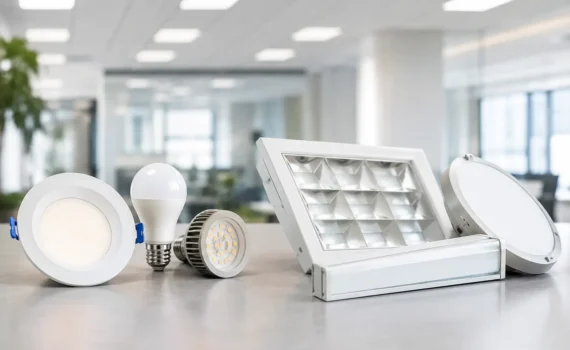
An LED retrofit updates the light-producing components inside an existing fixture. Depending on the fixture type, this may involve removing fluorescent tubes and ballasts, installing LED retrofit kits, rewiring the fixture, and adding new LED drivers or lamps. The existing housing usually stays in place.
Fixture replacement removes the old unit and installs a completely new LED fixture. This option may include new mounting hardware, wiring adjustments, controls, emergency lighting components, or photocells for exterior fixtures.
The difference sounds simple, but it affects the project budget, installation time, appearance, maintenance requirements, and expected service life. The best choice is not always the option with the lowest initial price. It is the option that gives your property dependable lighting without creating unnecessary future repair costs.
When an LED Retrofit Is a Smart Choice
A retrofit often makes sense when existing fixture housings are in good condition and the current layout already provides the right amount of coverage. For example, an office with recessed troffers or a warehouse with serviceable high-bay housings may be able to gain better efficiency and brighter, more consistent light by updating the internal components.
Retrofitting can reduce material costs because the existing fixture body remains in place. It can also limit disruption in occupied areas. If a business needs lighting improvements while keeping its doors open, retaining the current fixture locations may help keep the project moving quickly.
Retrofits are especially useful when the building has specialty or architectural fixtures that would be expensive or difficult to replace. A lobby, retail space, or older commercial property may have housings that fit the ceiling design well. Updating those fixtures can preserve the look of the space while eliminating the flicker, warm-up time, and frequent relamping associated with older fluorescent or HID lighting.
However, a retrofit only works well when the original fixture is structurally sound. Rusted metal, brittle lenses, damaged sockets, loose mounting, water intrusion, or recurring wiring problems are warning signs that the housing may not be worth keeping.
What to Check Before Retrofitting
Before choosing a retrofit, an electrician should inspect more than the lamps. The condition of the fixture housing, branch wiring, grounding, mounting method, controls, and existing ballast or driver all matter. If the fixture has been exposed to moisture, heat, grease, vibration, or outdoor weather, those conditions can shorten the life of new LED components.
Light quality also matters. A basic retrofit may lower energy use but still leave dark aisles, glare, or uneven lighting if the existing fixture was poorly placed for the space. For retail, office, and safety-sensitive work areas, the goal should be useful, even illumination rather than simply installing a brighter lamp.
When Fixture Replacement Makes More Sense
Full fixture replacement is often the better path when the old fixtures are near the end of their usable life. It gives you a new housing, new optics, a new LED driver, and a fixture designed as a complete system. That can mean better performance and fewer maintenance surprises over time.
Replacement is a strong option for exterior wall packs, canopy lights, parking lot lighting, deteriorated fluorescent troffers, and old high-bay fixtures. These locations often face conditions that take a toll on housings and electrical connections. Installing a new, properly rated fixture can improve reliability and help protect the electrical components from moisture, dust, and heat.
It is also the right choice when the existing lighting plan no longer fits the property. A warehouse may have changed its rack layout. A retail store may need better product lighting. A parking lot may need improved visibility near entrances, walkways, or security cameras. New fixtures make it easier to select the proper beam angle, color temperature, mounting height, output level, and control options for the actual use of the area.
For some properties, replacement also improves appearance. Yellowed lenses, mismatched fixtures, oversized housings, and outdated parking lot lights can make an otherwise well-maintained property look neglected. New LED fixtures offer a cleaner, more uniform result.
Cost Is More Than the Price of the Fixture
A retrofit can have a lower upfront cost, but the project should be evaluated over its expected life. If existing housings are sound and access is straightforward, retrofitting may deliver strong energy savings at a reasonable project cost. If the housings require repeated repairs or replacement parts are hard to find, the apparent savings can disappear quickly.
New fixtures generally cost more in materials, but they may reduce labor on complicated repairs and offer a clearer warranty path. They can also simplify future maintenance because the fixture and its components were designed to work together.
Labor conditions matter, too. A fixture located above a warehouse floor may require lifts, safety planning, and scheduling around operations whether it is retrofitted or replaced. A parking lot project may need work timed around customer traffic and nighttime visibility. An accurate estimate should account for access, fixture quantity, electrical repairs, control upgrades, disposal, and any required permitting.
Energy savings are another part of the calculation. LEDs use less power than many fluorescent, metal halide, and high-pressure sodium systems, but wattage alone does not tell the whole story. The right LED layout can deliver better usable light with fewer fixtures or lower wattage. Occupancy sensors, daylight controls, timers, and photocells can lower operating costs further when they fit the way the property is used.
Lighting Quality Should Drive the Decision
Switching to LED is an opportunity to correct common lighting complaints. Employees may be dealing with shadows at workstations. Customers may find a sales floor too dim. Property managers may receive complaints about dark parking areas or uneven walkway lighting. Replacing lamps without considering the underlying layout can leave those problems in place.
Color temperature is one decision that should be made intentionally. Warmer light can suit hospitality and customer-facing spaces, while neutral or cooler light may work better in offices, garages, warehouses, and security areas. The color rendering quality of the fixture also affects how accurately people see merchandise, paint colors, signage, and wiring.
Brightness must be balanced with comfort. Excessively bright fixtures, poorly aimed exterior lights, or the wrong lens can create glare for drivers, customers, employees, and nearby properties. A professional lighting assessment considers where light is needed, where it should not spill, and how the space is used throughout the day.
Plan the Work Around Your Property
Commercial lighting work does not have to interrupt business operations. A clear plan can divide the project into sections, schedule work during off-hours where needed, and keep entrances, work areas, and parking areas safely illuminated throughout the installation.
For occupied buildings, communication matters as much as the installation itself. Facility managers should know which areas will be worked on, whether power needs to be temporarily turned off, and what cleanup or access requirements are involved. For exterior projects, temporary lighting and traffic flow may need to be addressed before old fixtures are removed.
Beekman Electric helps commercial property owners and managers in Katy and the greater Houston area assess aging lighting systems, explain practical options, and complete LED upgrades with professional workmanship. Whether the job calls for an LED retrofit, new fixtures, parking lot lighting repair, or electrical corrections found during the inspection, the objective is straightforward: dependable lighting that works for the property.
If your lights flicker, burn out often, leave parts of the property dim, or are raising operating costs, start with a professional evaluation and a free estimate. The right lighting decision should make your space safer, easier to use, and less expensive to maintain long after the crew has cleaned up.